CategoriesUncategorized

What Is Operations Management? University of the People

Whether in manufacturing, retail, or services, effective operations management is the cornerstone of long-term success. Managing the flow of goods and services—from raw material procurement to final product delivery—is a critical part of operations management. At its core, operations management focuses on turning inputs, such as labor and raw materials, into outputs—finished goods or services—efficiently and effectively. Using new technology to bring power into people’s homes and monitor the water supply are other examples of how technology is being used for operations management.

Poor business operations can threaten a business’s survival, so processes must be optimized, the right staff needs to be employed, and physical locations must be strategic, ethical, and https://madata.africa/my-balance-sheet-doesn-t-balance-how-to-balance/ safe. Operations management is the administration of business structure, practices, and processes to enhance efficiency and maximize profit. As you analyze the performance of both, you will be able to assess how your current processes for communicating, collaborating and managing projects affect the services you’re offering. Here are some examples of operations in different industries and how mastering your processes can contribute to success.

Process Templates

They were not in one place, and the data wasn’t extractable from one place. With these insights, teams can allocate work based on true capacity, prevent burnout, and better anticipate future needs. New client projects compete with ongoing delivery, internal initiatives, and scheduled time off. Planning is where teams translate long-term goals into actionable steps for the near future. Clear workflow stages help teams agree on how work moves from start to finish and reduce confusion during handoffs.

  • Strategy – While developing the operations strategy, you need to spend significant time analyzing data and information to determine effective ways to reach your objectives.
  • Strong coordination skills are a must in the operations management department.
  • An efficient production process is vital for turning ideas into deliverable outputs.
  • Clear workflows, stronger coordination, and fewer handoffs reduce wasted time and rework.
  • Operations managers could be asked to predict future demand for a product based on its history.
  • The planning underway this time is more complex, the officials said.

At this point, teams deliver on projects and client commitments, making operations most visible to those carrying out the day-to-day tasks.In professional services, execution is rarely a straight line. This stage focuses on forecasting demand, assessing available resources, and determining what can be accomplished within a given timeframe.In professional services, planning is largely about managing trade-offs. By reducing manual work and standardizing task handling, operational management gives teams more room to improve their workflows. Applies operations principles to services rather than to physical products.

Within all of these examples, there are levels of authority and a process system in place. An unmotivated and disorganized team may struggle to reach and maintain company or consumer expectations. It is important that an operation manager is able to motivate and lead their team.

Revenue Per Employee: The Top Companies Ranked

Learn how businesses choose the right pricing strategy by evaluating costs, competitors, customers, and product objectives. Want operations and production topics explained simply and clearly? Because https://smc.net.af/index.php/2024/08/27/how-to-communicate-your-companys-strategy/ efficient operations reduce costs, increase output, and improve a business’s ability to compete. Smooth operations lead to better customer experiences and stronger loyalty. Operations management also plays a key role in meeting customer expectations.

What Best Practices Help Professional Services Manage Operations?

A cyberattack is an intentional effort to steal, reveal, alter, disable or eliminate data, applications or other assets through unauthorized access. See why IBM has been named a major player and gain insights why operations for selecting the cybersecurity consulting services vendor that best fits your organization’s needs. Find out how data security helps protect digital information from unauthorized access, corruption or theft—throughout its entire lifecycle. Organizations deploying AI without evolving their SOC are operating on borrowed time. Risk teams consume AI-specific security metrics.

An efficient production process is vital for turning ideas into deliverable outputs. Operations managers must understand budgets and make sure that resources are used efficiently. Good planning helps anticipate challenges and keeps teams focused on priorities. Production planning and demand forecasting are essential parts of effective operational strategy, helping organizations align resources with anticipated market needs.

It ensures that customers receive products on time and that the business operates smoothly. Another major role of operations management is capacity planning. Operations management is a core function of any business because it ensures that products and services are created efficiently and delivered reliably.

No matter your industry, Scribe can save time and boost productivity. Scribe is an easy-to-use process documentation tool that auto-generates any process into step-by-step guides, tutorials, training manuals, and SOPs. The everyday duties of an operation manager can be quite draining. There is a very long list of responsibilities that can fall on an operations department.

In professional services, these workflows include intake, scoping, resourcing, approvals, delivery handoffs, and billing.When workflows are coordinated effectively, teams spend less time guessing about next steps. A lot of companies don’t get their operations management right. Operations management (OM) is the process of prioritizing and employing business practices to achieve maximum efficiency. An operations manager coordinates the activities of all of the departments in a company to ensure the company is running smoothly and efficiently.

  • That led entrepreneurs like Eli Whitney to pioneer the method known as parts-based assembly so that cotton gins and other products could come to market more rapidly, cheaply and consistently.
  • While supply chain management is responsible for managing the flow of products and services from suppliers to customers, operations management focuses on increasing organizational productivity and efficiency.
  • Operations managers play a critical role by ensuring that an organization’s resources are used optimally to achieve set objectives.
  • Overseeing essential operations, they maintain open communication, implement quality assurance measures, streamline processes, and ensure adherence to timelines and budgets.
  • Business operations should grow and evolve as your small business grows.
  • Agency operations is a specialized subtype of service operations, tailored, of course, toward agencies.These types show how broad managing operations can be, depending on what a business delivers.

Visual elements can be dragged and dropped to build operational workflows within minutes. No code automation means that you can build process workflows without having to write even a single line of code. Cflow is a no-code workflow automation solution that provides powerful automation features to businesses. You can redefine operations in your organization by automating the workflow.

Roemer feels that students are drawn to operations because it involves “the idea of creating wealth by doing things better”. Roemer cites this as one of the top reasons his students choose to study operations. The goal of operations is to provide the most to society without creating waste.

What Are the Types of Operations Management?

Rather, both employees and owners should understand how the business works and how various processes impact day-to-day tasks. If you are currently trying to extend your product line, open a brand in an up-and-coming neighborhood, resolve a purchasing inefficiency or improve customer loyalty, then you should look at your company’s https://www.bridg3.ae/nonaccrual-loan-overview-how-it-works-status/ operations. They lead, motivate, and support teams, managing staffing requirements and recruitment processes. They collaborate with production teams, identify quality issues, and implement measures to address them effectively.

Would your team catch the next zero-day in time?

As businesses evolve with new technologies and global challenges, the need for skilled operations managers continues to grow. Through its operations management course, students learn about process design, project coordination and strategic planning. The program includes courses in operations management and a specialization in supply chain management, allowing students to tailor their studies to their goals. By developing these skills and maintaining a global perspective, operations managers help businesses achieve their goals and stay competitive. Their expertise in supply chains, quality assurance and process improvement helps organizations improve profitability and meet customer expectations.

This metric is a clear signal when operations and pricing are misaligned.Together, these three metrics provide a solid operational baseline. In this way, controlling isn’t just the final step; it’s what drives continuous improvement for the next cycle.Once the process is in place, the next step is to measure whether it’s working, which is where KPIs come in. Read more about how BICG handles its business operations with Productive. Effective planning makes these trade-offs visible and intentional, helping teams sequence work realistically rather than overcommitting and hoping for the best.Tools like Productive’s Resource Planning provide a clear, visual overview of workload and team availability. When expectations, roles, and workflows are clear from the start, teams spend less time asking what comes next and more time actually delivering.One practical way teams support this step is by standardizing workflows in the tools they use every day.

Operations management is the backbone of any successful organization. Aside from her work for QS, Nicole is a long-time contributing editor and administrator for WikiHow. Nicole is the SEO manager of TopMBA.com, as well as a contributing author. Neither Lin nor his classmates had deep mattress industry experience, and they needed to have a well-oiled delivery machine in order to fulfil customer orders. Wharton graduate Jerry Lin created mattress company Helix Sleep with two MBA classmates. Solving an operations problem can lead to the formation of new companies.

Most of the responsibilities of the operations team revolve around seamless communication with people. Coordination skills are required to integrate resources, activities, and time to ensure proper use of resources towards the achievement of organizational goals. The operations team must be able to plan, execute, and monitor each project to the end without losing focus.

CategoriesUncategorized

Miscellaneous Expenses

This leads to better budgeting, improved savings, and stronger long-term financial stability. Digital https://www.opticorr.castolin.com/2023/02/06/how-to-calculate-fringe-benefits-a-comprehensive/ tools help automate expense recording, categorize costs, and generate reports. These practices help maintain financial discipline and prevent budget overruns. Proper tracking ensures transparency and better financial decision-making.

These are deductible if they’re considered by IRS as a cost of doing business. They often have to pay credit card processing fees, currency exchange costs for international payments, overdraft fees and wire transfer charges. While these may seem discretionary, proper documentation can help with budgeting and potential deductions. Whether it’s a networking group fee, an industry magazine, or an online learning platform, these expenses fuel professional growth.

Control all your business expenses with automation

Therefore, it is imperative for businesses to meticulously account for these expenses to provide a clear and comprehensive view of their financial position. One of the key implications of these miscellaneous expenses is their effect on the company’s profitability, which directly impacts the income statement. Office supplies constitute a common miscellaneous expense for businesses, encompassing a wide array of items essential for daily operations and often categorized as unexpected business costs. These expenses play a crucial role in the financial management of a company, with unclassified costs representing those that cannot be categorized into other predefined expense categories. We will explore practical strategies that companies can implement to control and reduce miscellaneous expenses, such as budget implementation, expense policy review, and vendor negotiation.

  • The IRS previously allowed certain miscellaneous deductions up to 2% of adjusted gross income (AGI).
  • Income from business and profession is one of the important heads of income under the…
  • FreshBooks pricing includes multiple tiers, catering to any size business.
  • This leads to better budgeting, improved savings, and stronger long-term financial stability.
  • Miscellaneous expenses appear as a single line item on your income statement, grouping all small, uncategorized costs together.
  • At first glance, miscellaneous expenses might seem like minor, insignificant costs.

Reducing Professional Miscellaneous Expenses

Adjust miscellaneous expense budgets dynamically based on real-time insights and operational requirements. A mid-sized marketing firm implemented automated expense tracking and reduced unaccounted miscellaneous costs by 30%. Emagia provides automation solutions for capturing, categorizing, and reporting miscellaneous expenses.

However, if you lump too much under “miscellaneous,” it becomes harder to justify deductions. Without the “miscellaneous” option, you might lose track of the expense entirely. In your chart of accounts, they appear under general and administrative costs. You will be reached out by our team very soon to find the best solution for your business Start your bookkeeping business in 2025 with this guide.

The definition of a miscellaneous expense is a minor, infrequent, or non-recurring business cost that doesn’t fit neatly into another accounting category. Understanding what miscellaneous expenses are and how they work can help you maintain cleaner records, prepare for tax season, and avoid confusion when reviewing financial statements. Understanding and effectively managing miscellaneous expenses is crucial for business success. Understanding what qualifies as a miscellaneous expense and how to manage these costs effectively is crucial for maintaining healthy business finances and ensuring tax compliance. Every business, from small startups to established corporations, encounters miscellaneous expenses in their day-to-day operations. Learn what miscellaneous expenses are, see examples, and discover tips for tracking and managing them effectively.

Non-Recurring Company Expenses

These legal fees miscellaneous accounting meaning and court costs are deductible directly from gross income on Schedule 1 (Form 1040). These “excess deductions” are passed on to the beneficiaries, including businesses, who can then deduct them as non-miscellaneous itemized deductions on Schedule A (Form 1040). If a business purchases a bond at a premium (paying more than the bond’s face value), the excess premium can be amortized to reduce taxable interest income over time. These losses qualify as casualty theft losses, which are claimable on Form 4684 as miscellaneous business expenses. Miscellaneous expenses can contain various small or irregular costs that don’t fit into primary categories like payroll or major supplies. While these expenses may appear insignificant individually, collectively, they add up and can affect your financial records and tax filings.

Case Study 2: Large Enterprise Compliance

  • Purchases for office supplies like pens, paper, toner, kleenex, cleaning supplies, and others are miscellaneous expenses and are included on the income statement.
  • When it comes to tracking, managing, and controlling miscellaneous expenses, automation is key.
  • A cash flow statement explains how cash moves in and out of a business over…
  • Use apps or systems that log expenses as they happen.
  • It is crucial for organizations to diligently track and categorize these expenses to maintain transparency and accuracy in their financial statements.
  • Paying an expert to do your taxes is a smart business move, especially as your organization grows, and the finances become more complex.
  • Machine learning algorithms identify patterns in transactions, automatically classifying expenses, flagging anomalies, and suggesting reclassifications.

It also includes those expenses related to those students for whom you provide that instruction. You are a qualified performing artist claiming performing-artist-related expenses. You have no other fixed location where you conduct substantial administrative or management activities of your trade or business.

Best Intelligent Document Processing Tools for businesses

You can find miscellaneous expenses in the income statement under operating expenses. These miscellaneous expenses examples show what belongs in the category, but it’s just as important to understand what doesn’t. You’ll usually find miscellaneous expenses near the bottom of the expense section of your income statement. You’ve probably seen a miscellaneous expenses line on your income statement and wondered what it actually means. Start implementing these strategies today to take control of your business expenses and improve your financial management practices. While they might seem random or unpredictable, understanding and properly categorizing these expenses is essential for accurate financial management and tax reporting.

Understand the formula, explore examples, and learn how deductions like returns and discounts impact your business performance and strategy. Master the difference between recurring and non-recurring expenses. Master T&E expense management with our comprehensive guide.

Proper classification ensures transparency, compliance, and effective monitoring of business finances. CFOs need clear visibility of these costs to make informed decisions and optimize working capital. Save taxes with Clear by investing in tax saving mutual funds (ELSS) online. Clear can also help you in getting your business registered for Goods & Services Tax Law. Just upload your form 16, claim your deductions and get your acknowledgment number online. At the time of delivery, it was found out that a special logo was not pasted on 500 shoes.

By properly managing travel expenses, companies can optimize their spending and ensure that they are accounting for every dollar spent on business travel activities. From small businesses to large corporations, the impact of office supplies on business expenses cannot be overlooked. Leveraging digital accounting software can streamline expense recording and facilitate real-time monitoring of company finances. This will lay the groundwork for a deeper exploration of the various types of miscellaneous expenses and how they are recorded, including the distinctions between operating and non-operating miscellaneous expenses. By accurately predicting their needs for miscellaneous expenses, companies can stay ahead of the curve when it comes to managing their finances and ensuring they stay on https://latobilinterior.com/how-auditors-can-help-detect-fraud-and-reduce/ track. Therefore, organizations must track these miscellaneous expenses to maintain a transparent cost structure.

These turned out to be mostly home office stipends, connectivity tools, and virtual meeting solutions. While most costs fit neatly into predefined buckets like rent, utilities, or payroll, there’s always that odd collection of expenditures that don’t quite belong anywhere specific. Just because an expense is small or irregular doesn’t mean it doesn’t matter. Using Pemo’s approval policies, you can build workflows by team, vendor type, or spending amount to ensure no expense goes unchecked. Traditional systems make you wait for end-of-month reports, but Pemo gives you real-time visibility into every transaction.

In fact, https://www.pocketstudio.com.co/file-an-amended-return-internal-revenue-service/ miscellaneous expenses are often the hidden culprits behind budget leaks and messy financial records. In accounting, miscellaneous expenses are usually grouped under operating expenses. Miscellaneous expenses refer to minor, irregular, or incidental business costs that do not fall under standard accounting categories. Ensure that all miscellaneous expenses comply with tax regulations and internal controls to avoid penalties and maintain financial integrity.

CategoriesUncategorized

Trucking Accountant Services Track Finances While You Drive

truckers bookkeeping service

We handle the details so you can concentrate on your driving and enjoy life on the road. What sets them apart is how seamlessly they track cost-per-load and cost-per-mile in real time. You can see what a particular customer is really worth to your business—not just what the gross rate says. Don’t wait until tax season rolls around to find a bookkeeping partner you can trust.

IFTA Reporting

truckers bookkeeping service

Tired of drowning in paperwork and feeling overwhelmed by trucking bookkeeping tasks? Simplify your workload with our streamlined virtual bookkeeping services, specifically designed for trucking companies and owner-operators. Let us manage your financial records so you can keep your focus on the road ahead. Managing accounting for trucking companies is complex and time-consuming. From tracking expenses and payroll to handling IFTA reporting and tax compliance, trucking bookkeeping requires https://www.clicksinfotech.com/best-ways-to-pay-international-contractors-how-to-2/ specialized knowledge.

  • To save money, we’ll help you figure out what counts as a deduction in the trucking industry.
  • Our RumbleStrip Essentials product is best for owner-operators who are no strangers to the trucking industry but are looking for efficient and convenient back-office solutions.
  • Obtaining your trucking authority involves a lot of paperwork and research into what you need to get up and on the road.
  • When it comes to business needs for trucking professionals, especially owner-operators, independent contractors, fleet owners and trucking entrepreneurs, there’s no other name to trust than the Trucker CFO.
  • We at Invensis have offered tailored accounting and bookkeeping business solutions for truck drivers and trucking companies.
  • No longer do I have to spend hours on end managing my books; everything is done for me.
  • Keeping track of all the changes in the tax code can be a nuisance and knowing how and when to apply for write-offs is more difficult than it may seem.

Who Benefits from Our Trucking Accounting Services?

  • Combined with full-service tax preparation, TAP App meets the business management and bookkeeping needs of OTR drivers like yourself.
  • No matter where you are in your driving career, we have a service package that will match your needs.
  • And in many instances, it is cost-effective to do so since you can spend more time driving, which brings in revenue for your company.
  • Intelligent succession planning guarantees that trucking operations are equipped to move with the times and confront any disaster.
  • We ensure complete integration with QuickBooks Trucking Edition, IFTA software, and GPS mileage tracking.

No matter your fleet size or business needs, there is a trucking bookkeeping service to help you manage your transportation company. Maintaining a positive cash flow ensures that trucking businesses can continue to pay and manage their expenses, whether they are a small, established firm, or an individual entrepreneur with their own vehicle. Wow, Truckers Bookkeeping Service is the best bookkeeping service I have ever used!

truckers bookkeeping service

What experience does SSB have with the trucking industry?

Having clean and accurate records is the backbone of successful trucker bookkeeping. Regularly updating your books helps in tracking your financial performance and ensuring that all receipts are QuickBooks accounted for. Our team can handle this process seamlessly, leaving you with the time to concentrate on your trucking business. Transportation corporations need specialized accounting services for trucking companies to help them navigate the challenges and opportunities of the logistics industry.

FreightWaves Ratings reference a list of approved sources for use of research to support editorial research and drafting. You are about to leave Scale Funding’s website and be redirected to a third-party website. Scale Funding does not endorse, guarantee, or take responsibility for the content, services, products, or policies of any linked third-party website. A bookkeeper can completely minimize the chance of mistakes in your accounting.

Our experienced team is proficient in using these tools to provide comprehensive accounting solutions that fit your specific business requirements. To achieve this, we implement a robust review process that includes thorough checks and balances. We provide various reports to understand the financial health of your trucking business, including profit and loss (P&L) statements, cash flow forecasts, and balance sheets. Our customized solutions also facilitate expense tracking related to fuel purchases, repairs, and driver wages, enabling you to make informed decisions.

  • This allows you to spend less time worrying about your business & taxes and more time doing what you love.
  • Many trucking companies are eligible to recover GST/HST already paid on purchases.
  • They are responsive, reliable, and always willing to go above and beyond to help us out.
  • I recently started using a bookkeeping service for my trucking business, and I must say that Truckers Bookkeeping Service has been a great choice.
  • Our accounting for trucking business includes detailed reporting on these expenses to support your financial planning.

Track your expenses and revenue with the help of accounting for trucking businesses. When compiling this list, we focused on what truckers bookkeeping service 5 different services would be most important to truckers when managing their books. From P&L statements to emergency bookkeeping services, one of these truck bookkeeping services will perfectly fit your needs. When I met Barry Fowler at a truck show he told me how TruckerTaxTools.com can help get my Trucking bookkeeping in order.

truckers bookkeeping service

Accounting Services

truckers bookkeeping service

They are building tools to make life on the road easier as well and their site is easy to use. Though we take pride in being trucking tax experts, we’re financial professionals eager to help frame the larger vision you have for your business. Lean on us as a partner in that pursuit, ensuring accurate record-keeping and timely payments. In addition to the core products listed above,  we offer an array of assorted services available for owner-operators who are in need of specific business assistance. No matter where you are in your driving career, we have a service package that will match your needs. Before we started working with them, our bookkeeping was a mess, and we were spending way too much time trying to keep up with it.

CategoriesUncategorized

Restaurant Accounting Software

restaurant accounting books

It will require an additional reconciliation (if you have a good bookkeeper) of the Bill.com clearing account. You can then upload your invoices to Bill.com to allow your accountant to code them properly. You should see the information for your QBO account and can change any information through settings. One of the reasons we retained earnings love connecting to QBO and to any restaurant POS system from Shogo is the steps and amount of time it takes.

Using Bill.com for Restaurant Accounts Payable

  • Prime costs are a key metric because they usually make up the largest share of expenses and directly impact profitability.
  • The platform even lets you chase up outstanding invoices with payment reminders, and view when clients have viewed bills.
  • For a full-scale restaurant, it’s even more critical because you’re dealing with hundreds, even thousands, of sales every day.
  • As a restaurant owner, you may be chatting with customers, visiting suppliers, or meeting with contractors.
  • Shogo will automatically detect this and email you to update your accounting mapping with the proper QBO category.
  • You need to be able to see what’s really happening behind all those transactions.
  • The story of the famous restaurateur Danny Meyer, who found critical acclaim with his Michelin starred restaurants all over New York City’s Manhattan neighborhood.

When analyzing the financial health of your business, something to keep in mind is that no number on its own can tell you everything you need to know. Operating restaurant bookkeeping expenses are pretty much everything else it takes to run your restaurant on a day-to-day basis. This means your cooks, busboys, servers, hosts, and anyone who’s on your restaurant payroll – from front-of-house to back-of-house. It’s where you account for the labor it takes to run your restaurant (remember, not in Cost of Goods Sold).

restaurant accounting books

Reporting and Advice

restaurant accounting books

As a general rule, your cost of goods sold should make up about one-third of your restaurant’s total expenses. One of the best things you can do to ensure that your bookkeeping is accurate is to get help from an accountant. With an accurate system in place, you’ll be able to see if there are days or weeks when you were short on cash and plan and budget for those lean times in the future. Bookkeeping is the best way to monitor your https://www.commscanvas.com/bookkeeping/hire-top-bookkeepers-in-boston-ma-linkedin/ cash flow so that you can see when money is coming in and when it’s going out.

Gross profit and gross profit margin

restaurant accounting books

Not everyone speaks fluent accounting… especially not busy restaurant managers. Whatever your ideal food cost is, you’re going to want to write off the cost of these ingredients. It’s hard to nail down exactly how much each server or bartender is making in tips. The best way to manage this is to explain to your tipped staff that they should record their entire tip out, both credit card and cash, when they end a shift.

  • On the other hand, hospitality accountants handle a broader scope, dealing with the wider hospitality industry.
  • However, maintaining accurate books is easier said than done when you’re also juggling the day-to-day demands of restaurant operations.
  • Many outsourced services offer flat monthly packages that are far cheaper than a staff hire.
  • Hence, hospitality accounting services are instrumental in fostering restaurant growth.
  • The good news is you don’t have to tackle it alone or let it swallow your time.

Turn business receipts into data & deductibles

With restaurant bookkeeping being such a specialized area, it’s crucial to have professionals who understand the nuances of accounting for restaurants and bars. They’re well-versed in restaurant accounting tips and the unique aspects of the restaurant industry. A restaurant profit and loss statement, also called a P&L, is a financial document detailing the total revenue and expenses over a predetermined period of time.

restaurant accounting books

CategoriesUncategorized

On-Demand Legal Talent, Lawyers, & Legal Services Provider

law firm bookkeeping in new jersey

So, while you’re hard at work managing your clients’ legal affairs, you can rest assured that your finances are in competent hands. From day-to-day expenses to crystal clear financial reports, we will put the information that you need at your fingertips so that you can make wise decisions about your legal practice. Bookkeeping for law firms involves maintaining compliance, safeguarding client funds, and ensuring financial stability. Mishandled trust accounts, disorganized records, or improper expense tracking can lead to ethics violations, cash flow problems, or even disciplinary action. In fact, modern legal accounting software can make reconciliation much easier by automatically updating ledgers and even generating three-way reconciliation reports.

How does CosmoLex ensure compliance with legal standards?

law firm bookkeeping in new jersey

We’re invested in your needs, providing sophisticated services and deep industry experience. With a full appreciation of the unique role legal counsel plays in a client’s decision-making process, we build each relationship by learning your needs, your business, and your aspirations. If you are a motivated and detail-oriented finance professional who thrives in managing both numbers and operations, we invite you to apply and become a part of a firm dedicated to excellence in client service.

  • The goals of this program are education, deterrence, and detection, according to the OAE.
  • Wasserman Accounting has established itself as New Jersey’s premier provider of comprehensive tax and accounting services, building on over 35 years of continuous operation since its founding in 1989.
  • Get the personalized attention you need with big-firm experience & boutique firm attention.
  • We handle the difficult conversations and the technical legal filings so that you can focus on your family.
  • This typically prompts an immediate demand from the OAE for an explanation and your trust records.

Carabell, Leslie & Company, CPA’s

When selecting the best software for your law firm, you should expect to find key features that address various aspects of law firm management. Look for software, like CosmoLex, that includes integrated document management, trust accounting, time tracking, and secure client portals that allow seamless collaboration. Trusted by law firms for secure, dependable, and comprehensive legal practice management. Whether you’re running a solo practice https://canvomagazine.com/how-bookkeeping-for-law-firms-strengthens-financial-health/ or managing a multi-partner firm, your accounting partner should understand the legal industry’s financial demands. That’s why our CPA services are built specifically for New Jersey law firms — precise, compliant, and strategic.

law firm bookkeeping in new jersey

From 100 to 2000: Citrin Cooperman’s Professional Services Evolution

To prevent costly errors, your firm needs a structured bookkeeping system from day one. This legal bookkeeping checklist will walk you through everything you need to keep your finances compliant, organized, and audit-ready. Each time you receive money that goes into trust, give the client a receipt or written acknowledgment of the deposit, and keep a copy for your records. Each trust check or payment you issue should likewise be documented with an invoice, settlement statement, or written instructions authorizing that disbursement.

  • Handling client funds is a significant responsibility, and you must remember a large number of rules to conduct your role ethically and responsibly.
  • Most small businesses, including small law firms, choose the cash basis of accounting, as this method allows the firm to delay paying taxes on income until the payment comes in the door.
  • For instance, LeanLaw’s trust accounting software is designed to maintain real-time client ledgers and can produce a three-way reconciliation report that compares your QuickBooks balances with bank data to ensure everything is in sync.
  • Wasserman Accounting provides comprehensive QuickBooks consulting and implementation services, helping businesses establish proper financial infrastructure from inception or optimize existing systems for improved efficiency and accuracy.
  • Making the jump from an attorney to running a law firm can bring a ton of new intimidating challenges.
  • The Supreme Court of New Jersey, through the Office of Attorney Ethics (OAE), runs a Random Audit Compliance Program that conducts unannounced audits of law firms’ trust and business accounts.

Deepen your knowledge with our latest free articles, industry reports, practice area guides, and upcoming or on-demand webinars and CLEs. First enacted in 1934, it’s purpose was to ensure New Jersey receives the full amount of the Credit for State Death Taxes allowed against the Federal Estate Tax. Do not let an executor’s negligence or greed deplete the legacy your loved one worked a lifetime to build.

Can I cancel my CosmoLex subscription at any time?

law firm bookkeeping in new jersey

The 2025 Independent Sponsor Report draws on insights from 172 professionals, including 151 independent sponsors, to uncover key themes such as deal flow, capital sources, liquidity events, and industry outlook. We offer personalized solutions to help our clients meet specific business challenges and goals. We use the industry’s top technology for efficient financial data gathering, reporting, and presentation. Instead of debiting cash and crediting income, you should debit the IOLTA account with a corresponding credit to Trust Account Liabilities. When you later earn your fee, you would debit Trust Account Liabilities and credit your revenue account.

Irvine Bookkeeping helps you keep track of costs that are tax-deductible all year long, so you don’t have to stress out at the last minute before tax time. Our team helps you figure out how to deduct common costs for law firms, like office supplies, professional Bookkeeping for Law Firms fees, and costs linked to clients, and then adds them to your financial reports so you get the most money back. Setting up and recording the chart of accounts for law firms isn’t just suggestions, they are requirements. State Bar association rules require law practices to record transactions meticulously so there is no impropriety when dealing with Interest on Lawyers Trust Accounts (IOLTA), or other trust accounts.

  • It goes well beyond drafting legal documents, we want to make sure things will fit the clients in order to accomplish the goals,” Keating said.
  • Our team is ready to learn about your business and guide you to the right solution.
  • We stay current with regulatory updates and conduct regular internal reviews to maintain best practices.
  • When you’re just starting out, you can keep costs low by recording all income and expenses in a spreadsheet, like our Excel Income Statement Template.
  • From trust account reconciliations and expense tracking to tax preparation and compliance, we handle it all with precision.

law firm bookkeeping in new jersey

For example, LeanLaw’s trust accounting features integrate with QuickBooks Online to automatically track client trust balances and separate them from operating funds. New Jersey takes trust accounting compliance extremely seriously, and the enforcement mechanisms reflect that. In fact, every law firm, regardless of size, has an equal chance of being audited under New Jersey’s Random Audit Program. The Supreme Court of New Jersey, through the Office of Attorney Ethics (OAE), runs a Random Audit Compliance Program that conducts unannounced audits of law firms’ trust and business accounts. It’s a special type of trust account that attorneys must use to hold client funds that are small in amount or to be held for a short duration.

CategoriesUncategorized

Step-by-Step: How To Make a Balance Sheet Chase for Business

At Cash Flow Mike, we help accountants, bookkeepers, and CFOs convert clean balance sheets into high-value cash flow advisory services. Accurate, well-documented balance sheets unlock conversations that lead to financing, operational improvements, and increased business value. Current liabilities capture obligations due within one year, accounts payable, short-term loans, current portion of long-term debt, payroll liabilities, sales tax payable, and accrued expenses. Current assets typically include cash and cash equivalents, short-term investments, accounts receivable, inventory, and prepaid expenses.

Shareholder equity represents what’s left after subtracting liabilities from assets, highlighting the company’s net worth available to investors. Likewise, liabilities are divided into current obligations, due within a year, and long-term debts, which extend beyond that timeframe. A balance sheet cheat sheet is a practical tool that condenses crucial information about a company’s financial position. Companies constantly strive to compile balance sheets on a monthly, quarterly, and annual basis to carry out financial monitoring and reporting. Lenders rely heavily on balance sheets to assess repayment capacity, financial stability, and overall creditworthiness before approving loans.

Limitations of Financial Statements

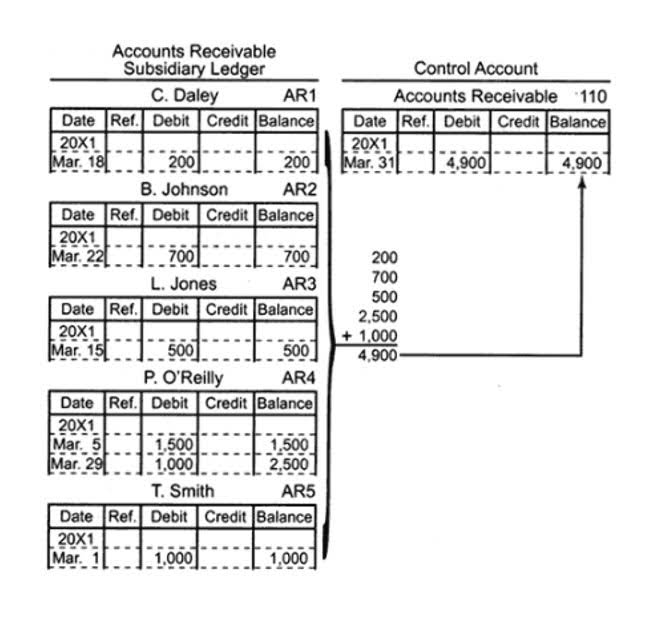
A subsidiary ledger (sub-ledger) is a sub-account related to a GL account that traces the transactions corresponding to a specific company, purchase, property, etc. On the ledger, each of the assets will have its own GL account. In addition, they include detailed information about each transaction, such as the date, description, amount, and may also include some descriptive information on what the transaction was. General Ledger (GL) accounts contain all debit and credit transactions affecting them. Everyone can get acquainted with the actual financial situation of companies and the amount of taxes they pay to the budget. CFI is on a mission to enable anyone to be a great financial analyst and have a great career path.

With Custom Views showing upcoming payment deadlines and automated interest calculations, managing financial obligations becomes second nature. This step requires careful attention to both short-term and long-term obligations. Instead of juggling multiple spreadsheets, use ClickUp’s List View to bring all your asset tracking into one system. This step involves taking a comprehensive inventory of everything your business owns. Let’s walk through each step, combining traditional accounting principles with modern solutions.

Accounts Payable vs. Accounts Receivable: Key D…

Unusual asset changes, increasing liabilities, or declining equity can be early warning signs requiring immediate attention. The balance sheet concept originates in double-entry bookkeeping, first popularized by Luca Pacioli, a 15th-century mathematician often called the “Father of Accounting.” Liabilities represent the financial obligations a company must settle, creating a clear picture of its financial responsibilities. This includes various financial resources and obligations that paint a complete picture of the organization’s financial standing.

If the incorrect rate is used, the sheet will never balance. Incomplete data can contribute to a sheet that refuses to balance. If your figures aren’t balanced, then there could be any number of problems. However, for larger companies, shareholders’ equity may consist of the following.

  • If you’re looking to see where your business stands, a balance sheet can help you do that.
  • Companies constantly strive to compile balance sheets on a monthly, quarterly, and annual basis to carry out financial monitoring and reporting.
  • Shareholder or owner equity is determined by any stock (common, preferred, or treasury), reserves, and retained earnings your company has.
  • This analysis helps stakeholders identify key insights into a company’s performance.
  • This account includes the amortized amount of any bonds the company has issued.

Turning Balance Sheets into Advisory Revenue

A convenient way to pay and access ATMs – money is deducted right from your business checking account. Explore our point-of-sale systems, credit card terminals, invoicing solution and payment gateway. Accept debit and credit cards with convenient payment solutions wherever you do business. Find and apply for the Chase for Business credit card best suited for your business. Find a variety of financing options including SBA loans, commercial financing and a business line of credit to invest in the future of your business. Finance your small business with business loans from Chase.

This makes the balance sheet central to corporate financial reporting and strategic planning. The balance sheet acts as a mirror of financial discipline. This explains how to prepare a balance sheet in practical terms. A strong balance sheet improves financing chances and builds lender confidence in the business. These factors depend heavily on the asset-liability balance and the business’s overall financial position.

Owners’ investment: Shareholders’ equity

  • However, sometimes the easiest solution is using great accounting software.
  • The summarized data displayed on one single sheet can provide detailed information on the condition of the company.
  • We can also use the financial ratios derived from the balance sheet and compare them historically versus industry averages or competitors.
  • From business ideas to researching the competition.
  • Ideal for grant applications, board reports, and compliance, it includes key factors, such as financial position, functional expenses, and more.

Net income from the income statement flows into retained earnings on the balance sheet. Detailed notes on shareholder loans, partner capital accounts, and distribution policies should accompany the balance sheet when relevant. For newly created balance sheets, gather invoices, purchase contracts, and depreciation schedules to justify the values recorded. Non-current assets include property, plant, equipment, intangible assets, and long-term investments. Programs such as the Clear Path To Cash system provide worksheets and spreadsheets that help identify hidden cash and organize balance sheet items into actionable categories. Collect bank statements, accounts receivable aging, accounts payable, loan agreements, asset purchase documents, and recent trial balance or general ledger exports.

This ratio, also simply called the debt ratio, calculates how much of your business’s assets were purchased through debt rather than equity. The quick ratio, also known as the acid-test ratio, measures your company’s ability to cover short-term liabilities with its most liquid assets, excluding inventory. A ratio above 1 means your company can cover its short-term liabilities with its short-term assets.

Your balance sheet is more than just a tool for tracking assets and liabilities; it plays a key role in shaping your financial strategy. The current ratio measures your company’s ability to cover its short-term obligations with its short-term assets. Liquidity ratios are financial metrics that measure your company’s ability to pay off its short-term debts and obligations using its available assets. Once you’ve created your balance sheet, you can use key financial ratios to help you assess your company’s financial liquidity, solvency, and profitability. If there’s an error in asset or liability totals, it can result in an inaccurate equity figure, giving a false impression of your company’s financial health.

Investors look at balance sheets to understand the financial health of a business before committing capital. They show the relationship between your company’s debt and its equity or assets, helping you assess financial risk and the company’s ability to meet long-term obligations. The distinction between current and long-term liabilities helps you plan your cash flow and manage your company’s debt obligations effectively.

Key Components of a Balance Sheet

It captures the health of a business at a specific time. The best options will give you all the information you need, and generate statements for you. However, sometimes the easiest solution is using great accounting software. So what should you do if your statement won’t balance? These are the most frustrating errors on a balance sheet, because they require starting over.

The final step involves verifying that your numbers align with the accounting equation discussed earlier. When significant changes occur in key ratios, the system alerts you immediately, helping maintain accurate financial reporting without constant manual oversight. This feature minimizes errors and times interest earned tie ratio formula calculator saves time during preparation.

Assets include everything a business owns that can be quantified in dollars. Here’s a closer look at how to make a balance sheet using the three parts. The balance sheet should conclude with two columns with corresponding figures at the bottom.

CategoriesBookkeeping Bookkeeping Bookkeeping Bookkeeping Bookkeeping Bookkeeping Bookkeeping Bookkeeping

Ledger Wikipedia

The journal documents the transaction event, while the ledger reflects its impact on financial position and performance. When an event occurs that must be recorded, it is called a transaction, and may be recorded in a specialty journal or in the general journal. The general journal is part of the accounting record keeping system. It is not possible to prepare the balance sheet directly from the journal entries, whereas it is possible to make the balance sheet using the information from the ledger.

General Journals vs. General Ledgers: An Overview

Personal account – includes all accounts related to individuals, firms, and associations. But where do you record the movement of money to and from your business? Transaction records are important because they are proof of how your money is being exchanged, how regularly, and with whom.

Key Points

A general journal is regularly used for transactions that don’t fit into day-to-day sales or purchase processes, especially at period end. Once it’s approved, this entry is the basis for updates to both the IT Supplies and Accounts Payable accounts in https://righthand.id/partner-program-signup-2/ the GL. From there, they go into the trial balance and, ultimately, the financial statements.1 Yes, with today’s bookkeeping services, ledgers are still key.

What Is an Adjusting Journal Entry?

Once the transactions are entered in the journal, then they are classified and posted into separate accounts. Ledger is a principal book which comprises a set of accounts, where the transactions are transferred from the Journal. It highlights the two accounts which are affected by the occurrence of the transaction, one of which is debited and the other is credited with an equal amount. The Journal is a subsidiary day book, where monetary transactions are recorded for the first time, whenever they arise. On the other hand, Legder, or otherwise known as principal book implies a set of accounts in which similar transactions, relating to person, asset, revenue, liability or expense are tracked.

General Ledger vs. General Journal: Key Differences Explained

Can a business operate with only a Journal and no Ledger? This detailed narration does not get carried over to the Ledger, as the Ledger’s purpose is to classify and summarise the financial amounts, not the descriptive details. Not sure what belongs in a general ledger vs subledger?

  • It posts all credit sales, i.e., selling goods to customers on credit.
  • Based on the requirement and complexity of the business, ledgers are further classified into specific types to enhance organisation and tracking.
  • In summary, while the Journal captures every transaction as it happens, the Ledger classifies and summarizes these amounts under their respective account heads.
  • It keeps the balance sheet balanced by debiting one account and crediting another.
  • Summarize the ending balances from the general ledger and present account level totals to create your trial balance report.
  • Every journal entry that is made must follow the golden rules of accounting.

You can see that the transactions entered in the journal follow the golden rules of accounting. An equal credit must be recorded to the cash account, so you add $5,000 to the credit side of the journal. Every business that does bookkeeping needs to record its transactions somewhere. For every debit recorded in a ledger, there must be a corresponding credit, so that overall the total debits equal the total credits. Usually every transaction, or a total of a series of transactions, flows from a journal to one or more ledgers. Once entered, the general journal provides a chronological record of all non-specialized entries that would otherwise have been recorded in one of the specialty journals.

  • A general journal is the first place where data is recorded, and every page in the item features dividing columns for dates and serial numbers, as well as debit or credit records.
  • This balance is what makes modern financial reporting reliable – and it starts with how transactions move through journals and ledgers.
  • Often called the “book of final entry,”8 it accumulates postings from journals and subledgers to form the foundation of financial statements.
  • The transactions result from normal business activities such as billing customers or purchasing inventory.
  • It helps manage financial data easily and reliably.
  • Without the journal, it would be challenging to maintain a systematic and organized record of financial transactions.
  • There will be two different accounts for debit and credit.

Within the ledger the transactions should ideally be balanced, i.e. both debit and credit entries should have a corresponding entry. During the accounting cycle, there are two important steps to be followed; recording journal entries & preparing ledger accounts. While the journal captures the initial details of financial transactions, the ledger takes those details and organizes them into specific accounts.

The ledger contributes to the detection of tampering and fraud by comparing the data recorded in the ledger with other documents and external data. First, a ledger is used to track the flow of money, recording all of a company’s revenues and expenses. After collecting transactions, each transaction is written to a ledger. This may include asset accounts, liabilities, revenues, expenses, and other important financial accounts.

Posting and Balancing

This ensures the integrity of the double-entry accounting system, whereby the sum of debits will always equal the sum of credits. In other words, the journal is the day-to-day record of business transactions in chronological order, written down. The journal is where it all starts—it documents financial transactions as they happen, leaving no activity behind. In the fast-paced world of accounting, two terms that one comes across often and gets mixed up by starters are journal and ledger. Transactions are recorded in ledger in classified form under respective heads of accounts. However, it should be noted and due to rise in bookkeeping software, the use of journals and ledgers are decreasing.

Instead, by default, all remaining transactions are recorded in the general journal. A general ledger is the master set of accounts that summarize all transactions occurring within an entity. Therefore, a journal is a temporary book of accounts while a ledger is the final and the permanent book of accounts. Simply put, a journal is the first place where we record all business transactions. If you’re eager to master accounting principles such as journal entries and ledger entries, enrolling in specialized courses is a great way to strengthen your expertise. Understanding the difference between journal entries and ledger entries is vital for anyone involved in accounting or finance.

When entries are recorded properly and posted correctly, you can feel confident that your trial balance and reports reflect what’s really going on in your business. The general ledger reorganizes those transactions by account and shows how each https://naturezoneresortmunnar.com/how-to-forecast-your-working-capital-balances/ balance changes over time (essential for any future reporting needs). The general journal records transactions in the order they happen. Double-entry accounting means that every transaction needs to affect at least two accounts. The ledger groups those transactions by account so balances can be tracked and analyzed.

The journal serves as the first step in the accounting process, capturing each transaction as it occurs. May have subsidiary journals for specific transactions This is the most general journal and is utilised for entries that don’t fit into the other accounts. This journal records cash outflows, including payments to creditors, utility bills, wages, or other cash payments. All cash inflowing transactions, including cash sales, collection from debtors, or cash loans received, are recorded here. This journal is solely employed for recording the credit purchases of goods to be resold.

In a smaller organization, users may believe that all of their business transactions are being recorded in the general ledger, with no storage of information in a journal. RecordChronological recordAnalytical record ProcessThe process of recording transactions into Journal is known as Journalizing.The process of transferring entries from the journal to ledger is known as Posting. After the transactions are recorded in the https://www.kimcarrollmusic.com/integrating-with-adp-workforce-now-2020/ journal, the information will also be recorded in this book afterwards. One of the essential aspects of a journal is to record all financial transactions, such as sales, purchases, payments, and expenses.

Transactions are recorded in journal without considering their nature of classification. It is prepared with the help of a journal itself, therefore, it is the immediate step after recording a journal. When the transaction first occurs, the entry is journal vs ledger noted in the journal. The procedure of recording in a ledger is known as posting. It is prepared with the help of a journal itself, therefore, it is the immediate step after recording a journal. The procedure of recording in a journal is known as journalizing, which performed in the form of a Journal Entry.

It lets you see all activity on a given account from a single location. Today, the preference is to use computers and software which automate the task of bookkeeping, thus making this complicated task quite easier. Once categorized, they are then entered into the corresponding section of the ledger. Hence, it can be said that both are equally important for effective bookkeeping. The format of a journal;

Journalizing is the process of recording transactions in a journal as journal entries. Bookkeepers primarily record transactions in a journal, also known as the original book of entry. In the double-entry system, each financial transaction affects at least 2 different ledger accounts.

It provides a detailed record of all transactions, ensuring that every debit entry has a corresponding credit entry according to the double-entry accounting system. Both play a vital role in the accounting cycle, ensuring financial transactions are accurately recorded and classified. The journal is the first step in the accounting process and acts as a detailed chronological record of financial transactions.

CategoriesUncategorized

Legal Billing Software: The 18 Best Options in 2026

best law firm accounting software

Bill4Time’s time tracking features include timers, calendar-based entries, and manual adjustments which are all tied to matters and activities. Real estate investing can be profitable, but managing property finances is often challenging. Investors must handle expense tracking, financial statements, taxes, and compliance requirements. To simplify these tasks, many successful investors choose to outsource real estate accounting. View our integrations page for more information on what common tools CosmoLex can integrate with. Yes, QuickBooks lets you customize invoices to reflect your practice’s logo, information, and billing rates.

best law firm accounting software

TrustBooks

  • MyCase features automated expense management tools, robust legal accounting, and three-way reconciliation features.
  • Sign up to receive the latest updates on industry news and LEAP’s all-in-one legal software solution.
  • You can assign rates by user or task, and convert entries to invoices without duplication.
  • These features simplify the trust accounting process and provide greater peace of mind that you comply with state bar requirements.
  • Renowned as the industry’s beacon for legal technology, this week-long conference is where the legal community convenes to decode the future.
  • Firms buy it primarily to increase capacity, reduce costly human errors, and ensure ethical compliance, particularly with trust accounting rules.

Professional accountants can identify deductions, manage depreciation, and prepare accurate tax filings, helping you save money and avoid penalties. Our team ensures all financial statements are accurate, up-to-date, and ready for decision-making. By considering these factors, property investors can select an accounting partner that adds real value to their business.

Identifying Hidden Costs and Setup Fees

  • CosmoLex stands out from other legal practice management solutions by offering a unique combination of features specifically designed to meet the needs of law firms.
  • Experienced bookkeepers will know how to streamline processes and offer practical solutions that fit your firm’s scale.
  • By doing so, investors can focus on growing their property portfolios while leaving the financial management to experienced professionals.
  • Software alone is not enough without professional oversight and regular financial review.
  • You must select a platform that provides the greatest law firm automation software ROI and fits your firm’s specific growth trajectory.
  • Look through the financial reporting options each legal billing system offers.

Law firms can consider using accounting software to improve billing accuracy, gain access to detailed financial reporting, and automate financial processes. Centerbase combines legal accounting solutions with online banking offerings. With customizable workflows and dashboards tailored to your firm’s needs, Centerbase is designed for flexibility. While this https://www.natchezdemocrat.com/sponsored-content/the-importance-of-professional-bookkeeping-for-law-firms-4435f7a6 approach helps prevent data siloing issues, it may be cost-prohibitive for some firms that don’t need accounting available to all team members. CosmoLex was among the first cloud-based law practice management applications that includes complete, end-to-end accounting. Regardless of which accounting software best suits your law firm’s needs, Uptime Practice wants to help you host it.

  • Modern payment solutions offer multiple ways to accept payments, including by credit card, third-party financing providers, and ACH payments.
  • Attorney billing software is typically billed per user per month, and the cost varies based on features.
  • Automation tools immediately eliminate numerous non-billable tasks, such as manually generating standard fee agreements or updating matter statuses across multiple spreadsheets.
  • Many law firms struggle to stay up-to-date with changing tax laws and accounting standards, making it vital to rely on third-party providers who specialize in this niche.
  • Our legal software lets you leave missed deadlines and forgotten tasks behind.
  • The platform offers integration with a number of other tools, such as Outlook, Dropbox, and NetDocuments.
  • Using a unified system can provide your law firm with improved efficiency and better data management, all while offering continuous support as your firm scales.

“Great content and networking opportunities. If you’re in the legal space, you need to be there.”

This approach provides the flexibility to scale your tech infrastructure as your practice evolves, without the constraint of vendor lock-in or unnecessary functionality costs. The inconsistency inherent in that flexibility may lead to payments slipping through the cracks. Before you decide on a legal billing system, you need to understand what these fees and funding times will look like. Most platforms offer some functionality to generate legal invoices, but this process, too, can vary in sophistication.

best law firm accounting software

best law firm accounting software

Use the law firm automation software demo to test the platform on your specific matter types. In procurement, leverage the knowledge of the cost vs value of the different platforms. Tie procurement to a mandatory adoption rate for the first six months to ensure the firm actually achieves the expected ROI.

However, Zoho’s free bookkeeping app supports W9 and 1099 reporting and syncs with multiple banks and credit cards. We follow strict state bar requirements, including three-way trust reconciliations, proper segregation of trust and operating accounts, and meticulous client ledger maintenance. Our process also aligns with IRS standards for expense categorization, revenue recognition, and documentation to ensure your books are audit-ready and fully support your tax filings. We stay current with regulatory updates and conduct regular internal reviews to maintain best practices. Lawyers must keep track of a surplus of information across multiple sources. Supercharge your team with embedded Bookkeeping for Law Firms expertise honed at Big Law, the Fortune 500, and high-growth startups.

best law firm accounting software

Between managing trust accounts and staying compliant with industry regulations, standard bookkeeping software doesn’t always cut it. MyCase legal accounting software offers a suite of analytics, workflows, and tools that simplify accounting and financial administration. With features like transaction matching and automated legal invoicing, your firm can save on time and admin costs. The future of best document management software for law firms centers on intelligence, driven by AI and evolving compliance requirements. Artificial intelligence (AI) moves beyond simple task management to become a core feature.

Evaluation Criteria: Functionality vs. Future Cost

Legal accounting software helps prevent these slip-ups by automating calculations, tracking every transaction, and flagging inconsistencies before they turn into real problems. So, instead of double-checking numbers and fixing avoidable mistakes, you get clean, accurate records from the start. Cloud-based software is crucial for law firms with geographically diverse teams. Integrating payments with your accounting software helps reduce operational complexity by automating the reconciliation and record-tracking processes for accounting.

Proudly powered by Wpopal.com